 Reviews


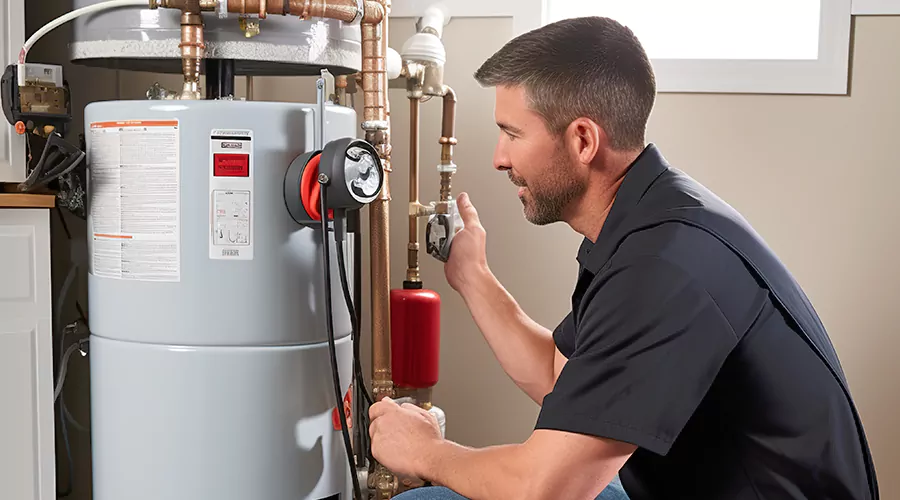
A water heater making noise is telling you about sediment in nine cases out of ten, and the fix costs $110 to $200 for a professional flush. Ignoring the sound risks a tank replacement that runs $350 to $1,600 installed.
The noise itself won't hurt anything today. It means the heater is running inefficiently and raising your heating bill while the real damage builds quietly underneath.
If you're thinking "my water heater is making noise and it never did before," the change is the signal. New or louder sounds usually trace to sediment, pressure problems, worn parts or age.
What Different Water Heater Sounds Mean?
Each sound points to a different cause. Water heater sounds break into five families: popping, high pitched squealing, knocking, running water and dripping. Match your sound to the table below first. The right diagnosis decides whether you need a $20 hose or a licensed plumber.
| Sound | Most likely cause | Urgency |
|---|---|---|
| Popping or crackling | Mineral sediment trapping water at the tank bottom | Schedule a flush soon |
| High pitched squeal | Excess pressure or a restricted valve | Check valves this week |
| Knocking or banging | Water hammer in the pipes | Low, but hard on plumbing |
| Running water | Normal refill or a hidden leak | Verify which one today |
| Dripping tick | Condensation or a real leak | Inspect the same day |
Most water heater noise maps cleanly to one of these rows. Mild operational sound is normal because valves cycle and metal expands with every heating run.
Insider tip: record the sound on your phone before calling anyone. A ten-second clip helps a plumber quote accurately and blocks upselling on problems you don't have.
Popping Sounds Mean Sediment
A water heater popping sound comes from calcium and magnesium settling at the bottom of the tank and trapping water underneath. When the burner heats that trapped water, steam pushes through the sediment layer and pops. The sound is the steam escaping.
A popping sound from water heater tanks resembles popcorn cooking in a microwave. Hot water heater popping grows louder as the layer thickens. When your water heater is making popping noises after years without maintenance, expect a heavy buildup at the base.
- Efficiency pays the first price: A noisy water heater popping through every cycle runs longer to heat the same water and raises the heating bill. Meanwhile the trapped heat attacks the tank. Sediment slows heat transfer, which overheats the steel and weakens the inner lining until a leak forms.
- Electric units suffer faster: Hot water heater popping sounds show up more often on electric models because the heating elements touch the water directly and scale coats them. A popping water heater is rarely a dangerous emergency. The exception is clear: a hot water heater making popping noises alongside a sulfur smell, a burning smell or a constantly dripping T&P valve needs a professional the same day.
Insider tip: left alone, a hot water tank making noise for months usually crosses from loose sediment into hardened scale. Scale forms thick solidified deposits that a basic flush can't remove.
High Pitched Noise Points to Pressure
A high pitched noise from water heater units signals water forcing its way through a restricted opening. The usual suspects are a partially closed inlet valve or excess tank pressure. Squealing deserves faster attention than popping because pressure stresses the tank shell itself.
- Start at the valves: A water heater high pitched noise that begins near the top often means the cold inlet valve isn't fully open, so open it counterclockwise until it stops. Next check the temperature and pressure relief valve on the side. A water heater making high pitched noise from that valve is venting pressure it shouldn't have, and high internal pressure can cause leaks or serious tank damage when ignored.
Insider tip: $12 pressure gauge threads onto any hose bib. Readings above 80 psi mean the whole house needs a pressure regulator rather than a water heater repair.
Knocking Comes From the Pipes
A hot water heater knocking sound usually isn't the heater at all. Water hammer happens when a valve snaps shut and moving water slams into it, banging the pipes near the tank. The heater takes the blame for a plumbing problem two feet away.
- Metal movement explains the rest: Components expanding and contracting through heating cycles produce ticking and knocking sounds that fade as temperatures settle. Hammer arrestors on the supply lines quiet true water hammer for under $30 in parts.
Running Water and Dripping Sounds
A water heater sounds like water running during every refill after someone showers, and that part is normal. The same sound with no water in use anywhere means supply water is escaping somewhere. That distinction separates a non-event from an active leak.
- Dripping follows the same logic: A water heater dripping sound with a dry floor usually means condensation falling onto a hot burner, which is common on gas units after a large cold refill. However, a dripping sound from water heater cabinets with visible moisture means a real leak that needs same-day attention.
Insider tip: tape a dry paper towel under the tank's drain valve and check it after 24 hours. It catches slow leaks your eye misses.
Water Heater Making Noise When Water Is Off
A water heater making noise when water is off is usually still doing its job. The tank reheats on its own schedule whenever stored water cools below the thermostat setting. Heating cycles run day and night regardless of whether anyone opens a tap.
Sediment popping and expansion ticking both continue through these cycles. For that reason a hot water heater making noise when water is off points to the same causes covered above rather than a new problem. The one exception is the running-water sound with every fixture closed, because that combination suggests water leaving the system.
Warning Signs the Noise Is Serious
Nine signs separate routine maintenance from urgent repair. Check each one in under a minute. One match means schedule a flush. Three or more matches mean the tank needs professional eyes this week rather than this quarter.
- A water heater making loud noise that grows week over week.
- Popping that continues right after a full flush.
- A sulfur or burning smell paired with the sound.
- A T&P valve that drips continuously.
- Moisture or rust streaks at the tank base.
- Discolored or metallic-tasting hot water.
- Hot water running out faster than it used to.
- An electric unit losing its lower heating element under scale.
- A tank past the 8 to 12 year lifespan typical for tank models.
DIY Fix You Can Do Today
Flushing the tank yourself costs $10 to $20 in supplies and removes the loose sediment behind most popping. The job needs a garden hose and a floor drain or driveway. Set aside an hour and follow the steps in order.
- Turn off the gas control or flip the electric breaker.
- Close the cold water inlet valve on top.
- Open a hot tap upstairs to break the vacuum.
- Attach a hose to the drain valve and run it to a drain.
- Open the drain valve and let the tank empty until the water runs clear.
- Pulse the cold inlet twice to stir remaining sediment loose.
- Close the drain, refill the tank and restore power only when water flows steady from the hot tap.
A 40-gallon tank drains in about 15 minutes while an 80-gallon tank takes 30 to 60.
Insider tip: plastic drain valves on older tanks sometimes refuse to reseal. Buy a $5 brass hose cap before you start so a weeping valve can't ruin your evening.
When to Call a Professional?
Call a plumber when the noise survives a proper flush or the tank shows any leak. Hardened scale bonded to the tank floor won't drain through a valve. A pro brings descaling equipment and inspects parts you can't see from outside the unit.
- The anode rod is the big one: A technician inspects the anode rod while the tank is drained, and replacing it once it's more than halfway corroded can add years to the heater's life because tank leaks trace directly to spent anode rods.
- Gas work belongs with a license too: Burner adjustments and gas valve repairs carry risks that don't reward experimentation. Pressure problems above 80 psi also need a professionally installed regulator.
Prevention Costs Less Than Silence Bought Late
Annual water heater maintenance keeps most hot water heater noise from ever starting. The full prevention routine costs about $160 a year against a four-figure replacement. Hard water households need the schedule below yearly while soft water areas can stretch each interval safely.
- Flush the tank every 12 months: Hard-water regions need a flush every year or two while softer water allows every 2 to 3 years.
- Check the anode rod at each flush: Replace it past the halfway-corroded mark.
- Keep the thermostat near 120°F: A setting too high boils water excessively and speeds sediment crystallization.
- Test the T&P valve twice a year: Lift the lever briefly and confirm it snaps back without dripping after.
Conclusion
Noise is the cheapest warning a water heater ever gives. Popping means sediment, squealing means pressure and each has a clear fix. Flush the tank yourself this week or book the $160 service before scale hardens into a replacement bill. If the sound survives the flush, let a licensed plumber check the rod and the pressure.